
Lymphatic massage gets a lot of attention online, and not all of it is accurate. Here's a clear explanation of what it is, who it helps, and what to expect, from a certified lymphedema therapist.
You may have seen lymphatic massage described as a "detox" or a quick fix for bloating. The real treatment is more specific than that, and for the right person, far more useful. At Dynamic Rebalance in downtown Chicago, lymphatic work is one of our core clinical services, and it's the treatment we're asked about most.
What is the lymphatic system?
Your lymphatic system is a network of vessels and lymph nodes that moves fluid from your tissues back into your circulation. It also plays an important role in your immune system. Unlike your blood, lymph has no pump like the heart. It relies on muscle movement, breathing, and the gentle contraction of the lymph vessels themselves.
When that system is damaged, overloaded, or slowed down, fluid can build up in the tissues. That shows up as swelling, heaviness, tightness, or discomfort.
What is lymphatic massage?
Lymphatic massage, properly called manual lymphatic drainage (MLD), is a gentle, rhythmic hands-on technique that encourages lymph to move toward healthy lymph nodes so it can be cleared. We use the Vodder method, one of the most established and widely taught approaches to MLD.
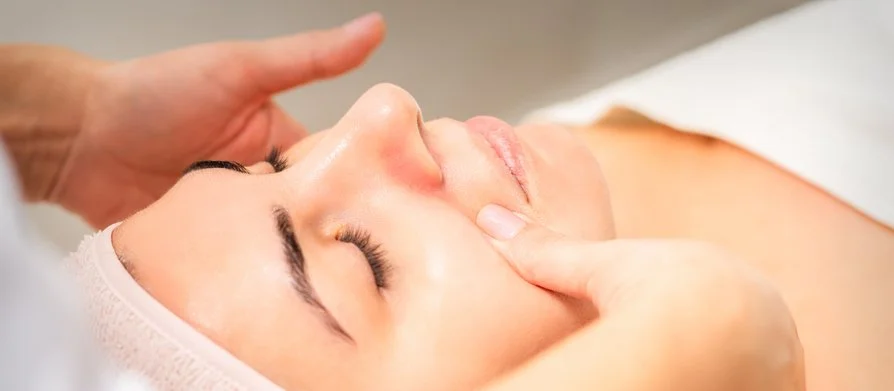
It feels very different from a regular massage. The pressure is light and the strokes are slow and deliberate, because the lymph vessels sit just under the skin. Deep pressure doesn't help lymph move. Precise, gentle technique does.
Who can benefit from lymphatic massage?
Lymphedema: we work mostly with clients in the maintenance phase, helping manage swelling over the long term alongside their medical team.
Lipedema: MLD can help ease the heaviness, tenderness, and discomfort that often come with lipedema.
Post-surgical recovery: after liposuction, a BBL, a tummy tuck, or breast surgery, lymphatic drainage can help reduce swelling and support smoother healing.
General swelling and fluid retention: from long-haul travel, long days on your feet, or after an injury.
What to expect at your appointment
Your first session starts with a conversation about your health history, your symptoms, and what you'd like to achieve. Treatment usually begins around the neck and trunk to prepare the main drainage pathways, before moving to the swollen area.
Most clients find it very calming. Afterward, it's common to need the bathroom more often as your body clears fluid. Drinking water and gentle movement afterward both help.
Depending on your needs, we may combine MLD with Endermologie for lymphatic stimulation or red light therapy to support tissue healing.
When lymphatic massage isn't right
MLD isn't suitable for everyone. Speak with your doctor before booking if you have an active infection, a suspected or recent blood clot, uncontrolled heart or kidney problems, or cancer that is currently being treated. If you notice sudden swelling in one limb with pain, warmth, or redness, seek medical attention first.
Frequently asked questions
How many lymphatic massage sessions will I need?
It depends on why you're coming in. Post-surgical clients often need a series of sessions in the weeks after surgery, while lymphedema and lipedema clients usually benefit from regular ongoing care. We'll recommend a plan after your first appointment.
Is lymphatic massage the same as a detox massage?
No. MLD is a clinical technique for moving lymph fluid. It's not about "flushing toxins," and we won't promise that it does.
Are your therapists specially trained?
Yes. Our lymphatic work is led by certified lymphedema therapists with Vodder and Klose training, and we invest in ongoing education across the team.
Lymphatic massage in downtown Chicago
If you're living with swelling, recovering from surgery, or managing lymphedema or lipedema, we can help you feel more comfortable and in control. Many of our treatments are HSA/FSA eligible.
